Summary:
• Fast water extraction and structural drying within the first 24 to 48 hours is the single biggest factor in limiting mold growth and repair costs after a leak or flood.
• Parkside Restoration provides 24/7 emergency water removal, structural drying, sanitizing, and repairs for homes and businesses in Downers Grove, IL.
• Technicians are IICRC and American Bio Recovery Association certified, and the company works with insurance providers on covered claims.
A burst pipe, flooded basement, or storm backup does not wait for business hours, and neither should your response. The fastest way to limit the damage is to call a crew that can begin Water Damage Restoration in Downers Grove IL extraction and drying within hours, not days, since standing water and wet drywall create ideal conditions for mold and structural rot almost immediately.
Homeowners looking for help usually face one of a few situations: a sudden pipe failure, a sump pump that couldn’t keep up with a storm, or a slow leak that went unnoticed until visible damage appeared. Each calls for a slightly different response, but all of them share the same urgency around moisture removal and drying. To see how a professional team handles each scenario, visit the Parkside Restoration Company Website.
Why Response Time Matters So Much
Water damage is a race against the clock, and the data backs that up.
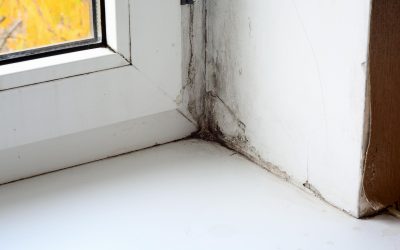
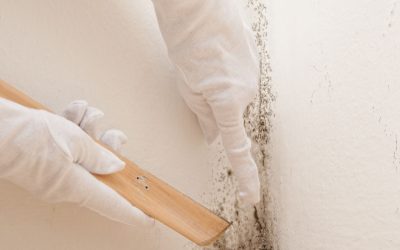
• Materials that stay wet create ideal conditions for mold colonization within a short window after exposure, according to the EPA’s guide to mold, moisture, and your home .
• The EPA recommends drying water-damaged areas and items within 24 to 48 hours after a leak or spill to reduce the likelihood of mold growth.
• Delayed response often turns a straightforward drying job into a more invasive and costly remediation project.
This is why restoration companies emphasize rapid dispatch. A delay of even a day can mean the difference between drying out a few wet materials and tearing out contaminated drywall, flooring, or insulation later on.
What a Reliable Water Damage Response Actually Involves
A dependable restoration process follows a consistent sequence rather than relying on guesswork once a technician arrives on site.
1. Initial assessment – identifying the source of water intrusion and the extent of affected materials.
2. Water extraction – removing standing water using pumps and industrial extraction equipment.
3. Structural drying – using air movers and dehumidifiers to bring moisture levels in walls, floors, and framing back to normal.
4. Sanitizing and cleanup – treating affected surfaces to reduce the risk of bacterial growth or odor, especially after sewage involvement.
5. Repairs – addressing drywall, flooring, or other materials that could not be salvaged.
Parkside Restoration follows this type of structured approach for water emergencies in Downers Grove, responding around the clock for emergency water removal, structural drying, sanitizing, and the repairs needed to restore a property. If a burst pipe, flooded basement, or leaking appliance is the cause, the goal is to stop the spread quickly, protect materials that are still salvageable, and reduce the risk of secondary mold damage.
What to Look For When Comparing Local Restoration Help
Not every company that advertises water cleanup offers the same level of training, equipment, or insurance coordination. The table below outlines the factors worth checking before hiring anyone.
| Factor | Why It Matters |
| Certification | IICRC and ABRA certification indicates technicians are trained to current industry drying and sanitation standards. |
| Response availability | True 24/7 availability affects how quickly extraction and drying can begin after discovery. |
| Insurance coordination | A company experienced working with insurance carriers can simplify documentation and claims. |
| Scope of service | Confirm the provider handles both the extraction and the follow-up repairs, not just cleanup. |
Parkside Restoration’s technicians are certified by the IICRC and the American Bio Recovery Association, and the company works with insurance providers on water, sewage, and mold-related claims. Confirming these details before a loss occurs, rather than during an emergency, makes the decision easier when time is limited.
Taking the Next Step After Water Damage
Once water has entered a home or business, the priority is stopping the source if it is safe to do so, documenting the damage with photos, and contacting a restoration team that can begin extraction quickly. Waiting even a day can allow moisture to spread into materials that were not originally affected, turning a contained issue into a larger project.
Frequently Asked Questions
How quickly should water damage be addressed? Extraction and drying should begin as soon as possible, ideally within the first 24 to 48 hours, to reduce the risk of mold and limit damage to materials like drywall and flooring.
Does water damage restoration include repairs, or just cleanup? A full-service response typically includes both. Parkside Restoration handles emergency water removal, structural drying, sanitizing, and the repairs needed to restore the property.
Is sewage backup handled differently from clean water damage? Yes. Sewage involves contamination risks that require specialized extraction and sanitizing procedures beyond standard water removal, which is why certified handling matters.
Will insurance typically help cover water damage restoration? Many water damage claims are covered depending on the policy and cause of loss. Working with a provider experienced in insurance documentation can help streamline that process.
Property owners in Downers Grove dealing with a leak, flood, or sewage backup have a narrow window to limit damage before moisture spreads into walls, flooring, and framing. View Parkside Restoration on Google Business Profile to review service details and confirm availability for emergency water damage response in the area.