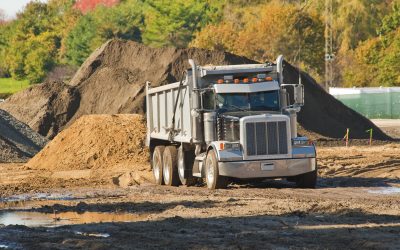
A freshly cleared yard looks very different from the same property a few hours earlier. Shrubs have been cut back, branches are stacked, beds are cleaned out, and unwanted vegetation is finally out of the way. Then comes the less glamorous part: dealing with the debris. In Naples, effective landscape debris disposal is not simply about getting a pile off the property. It is about planning the material flow so the cleanup ends efficiently and the next phase of the project can begin.
Start by identifying what the cleanup actually produced. Branches, palm fronds, leaves, brush, grass, and other vegetation are often handled differently from soil, concrete, lumber, packaging, or household refuse. A quick sorting step at the source gives you a clearer idea of the disposal method required. It also makes loading safer and more organized because bulky branches can be positioned separately from lighter loose material.
For homeowners, the next question is usually how much material there is. A weekend pruning project may fit into a manageable load, while a property-wide landscape renovation can create far more debris than expected. Estimating volume before hauling helps you choose the right vehicle and avoid making several trips simply because the first load was too small. When possible, keep debris in one accessible location without blocking drainage paths, entrances, or areas that still need to be worked on.
Landscaping professionals face an additional challenge: disposal has to fit into the workday. Crews cannot always afford to finish a job, drive around looking for a disposal option, and discover that the load requires different handling. Establishing a dependable process can make scheduling more predictable. Before heading out, confirm the material being transported and any relevant acceptance rules. This small administrative step can protect valuable crew time.
Weather can also influence the experience. Southwest Florida conditions can change quickly, and a debris pile exposed to rain can become heavier and more difficult to move. Wind can scatter lighter material across a property or into areas that have already been cleaned. If disposal cannot happen immediately, place the debris where it is least likely to interfere with the property or become scattered, and keep the final hauling step on the project schedule rather than treating it as an optional task.
Searches for landscape debris disposal in Naples, FL, often return several kinds of services, so compare them based on the material, volume, and logistics of your particular project. The goal is not necessarily to find the closest result. The better choice is the one that matches what you actually need to dispose of and gives you a clear path from cleanup to final removal. Asking questions before loading can be much easier than resolving a problem after you arrive.
Repurposed Material of Naples LLC is one local resource to consider when planning the debris-handling side of a landscaping project. Sharing a basic description of the material and the approximate quantity can help clarify what arrangements are appropriate. For recurring commercial work, keeping disposal details documented can also make future jobs easier to schedule.
Good landscape management includes the cleanup after the visible work is complete. When debris is sorted, volume is estimated, transportation is planned, and disposal is arranged in advance, the entire project feels more controlled. Whether you are cleaning up a residential yard or managing repeated landscaping work, treating debris removal as part of the project from the beginning can make the final result cleaner, faster, and easier to maintain.
For commercial properties, documentation can be helpful when several jobs are completed each week. Record the type of material, approximate load size, and preferred disposal arrangement. Over time, this can create a simple routine that crews can follow without starting from scratch on every project. It also makes it easier to identify which jobs tend to produce unusually large amounts of organic debris and plan labor accordingly.
Homeowners can use a similar approach on a smaller scale. If a cleanup includes pruning, planting, bed renovation, and general yard work, schedule the disposal step alongside the other tasks. Doing so keeps the finished areas accessible and reduces the temptation to leave debris in place until a later weekend. The goal is a complete project, not simply a completed cutting or cleanup phase.
Frequently Asked Questions
What should I do with branches and brush after landscaping work?
Separate organic material from other debris, estimate the volume, and confirm an appropriate disposal option before hauling the load. Large branches may require more space and careful loading.
Why does debris volume matter when planning disposal?
Volume affects transportation, loading, and the number of trips required. Estimating it ahead of time helps you choose a practical hauling arrangement.
Can landscape debris be mixed with household trash?
It is better to keep organic landscape material separate from household and construction waste. Different materials may have different acceptance and handling requirements.